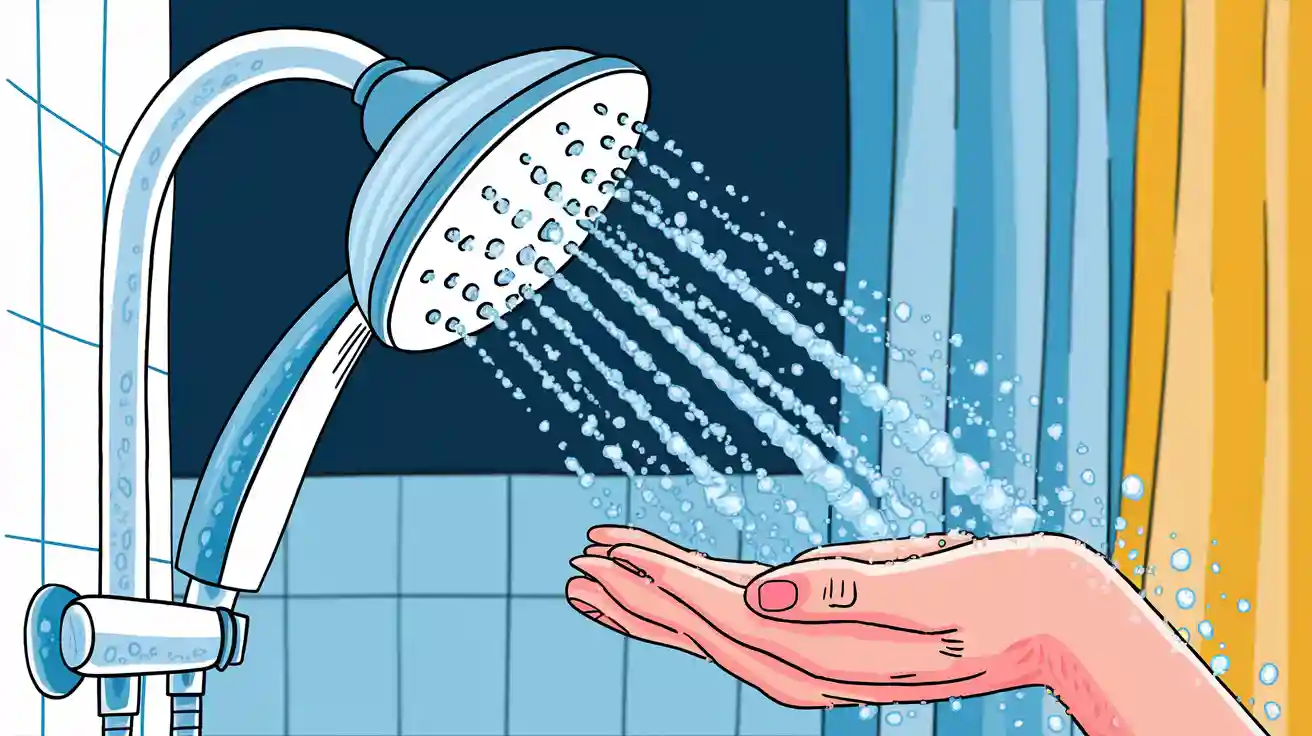
Yes, you can have cleaner shower water without a filter shower head. You just need to choose the right way. Many people worry about what is in their water. Things like PFAS, chlorine, heavy metals, and bacteria can get past city treatment. These things can end up in your shower. You have other choices besides a filtered shower head. You can use whole-house filter systems, inline filters, water softeners, vitamin C filters, or portable filter devices. Each filter helps with different problems. They make your shower water cleaner and safer.
Key Takeaways
You can make your shower water cleaner without a filter shower head. You can use whole-house systems, inline filters, water softeners, vitamin C filters, or portable devices. Whole-house filtration cleans all the water in your home. It keeps your family safe from chlorine, heavy metals, and germs. But it costs more money and needs a professional to install. Filtered shower heads are easy to put in. They remove chlorine and chemicals well. They help people with sensitive skin. But they do not take out hard water minerals. Inline and portable filters are simple to use. They lower chlorine and make water better. You do not have to change your shower head. Pick a filter that fits your water problems, budget, and skin needs. Remember to change filters often for the best results.
Alternatives to a Filter Shower Head
If you want cleaner shower water but not a filter shower head, you have other choices. Each way works differently to take out bad stuff and keep your skin and hair safe. Let’s check out each option and see how they help you get better water in your shower.
Whole-House Filtration
Whole-house filtration systems clean all the water that comes into your house. This means every faucet, even your shower, gets filtered water. These systems use different filters to catch many types of bad things in water. Here is a quick look at the main kinds:
Filter Type |
Description |
Purpose/Function |
Pros |
Cons |
|---|---|---|---|---|
Take out big pieces like dirt, rust, sand, and silt. Usually the first step in cleaning water. |
Remove big stuff to help other filters |
Takes out big pieces; easy to put in; not expensive; helps filters last longer |
Needs to be changed often; does not take out chemicals or germs |
|
Activated Carbon Filters |
Take out chemicals, bad smells, and make water taste better. |
Remove chemicals and bad smells |
Good for chemicals and smells |
Needs to be changed often |
UV Filters |
Kill germs and viruses. |
Clean water from germs |
Kills germs well |
Needs power and care |
Softeners and Conditioners |
Work on hard water minerals like calcium and magnesium. Not normal filters. |
Stop scale and protect pipes |
Protects pipes and machines; makes water feel better |
Does not take out chemicals; can cost a lot |
Calcite Filters |
Use natural minerals to make water less acidic. |
Make pH better |
Uses natural stuff; makes water taste better |
Does not take out bad things, just changes pH |
Reverse Osmosis Filters |
Push water through a special screen to take out most bad things. |
Cleans water the most |
Works really well; takes out many bad things |
Costs a lot; may take out good minerals; may need to add minerals back |
Whole-house systems mix these filters to take out chlorine, heavy metals, dirt, and germs. Activated carbon and KDF filters are great for taking out chlorine and chemicals. You get clean water at every tap, which helps your skin and hair feel softer. These systems need a pro to put them in and you must change filters often, but they keep your water safe for a long time.
Tip: Whole-house filtration is best if you want to keep your whole family safe from too much chlorine, heavy metals, and other bad stuff—not just in the shower, but everywhere in your house.
Water Softeners
A water softener is a special filter that works on hard-water minerals like calcium and magnesium. Hard water can make your skin dry and your hair rough. It also leaves white stuff on your shower walls and faucets. Water softeners use ion exchange to swap these minerals for sodium or potassium.
Contaminant Type |
Water Softener Shower Heads Targeted |
Regular Shower Filters Targeted |
|---|---|---|
Hard water minerals |
Calcium, Magnesium, Iron, Manganese |
N/A |
Limescale buildup |
Yes |
N/A |
Heavy metals (small amounts) |
Some models reduce |
Yes |
Chlorine and chemicals |
No |
Yes |
Water softeners do not take out chlorine or most chemicals, but they make water feel softer and help people with sensitive skin. Some softener shower heads also use KDF-55 or calcium sulfite to lower small amounts of heavy metals. You will see less soap scum and your hair will feel softer after using a water softener.
Inline Shower Filters
Inline shower filters go between your shower pipe and shower head. They are popular if you want cleaner water but do not want to change your shower head. These filters use layers like activated carbon, KDF, and pads to take out many bad things.
Inline filters take out chlorine, heavy metals, rust, hydrogen sulfide, and some germs.
They also work on hard-water minerals, pesticides, and harmful chemicals.
Some advanced inline filters can lower microplastics, medicines, and organic stuff.
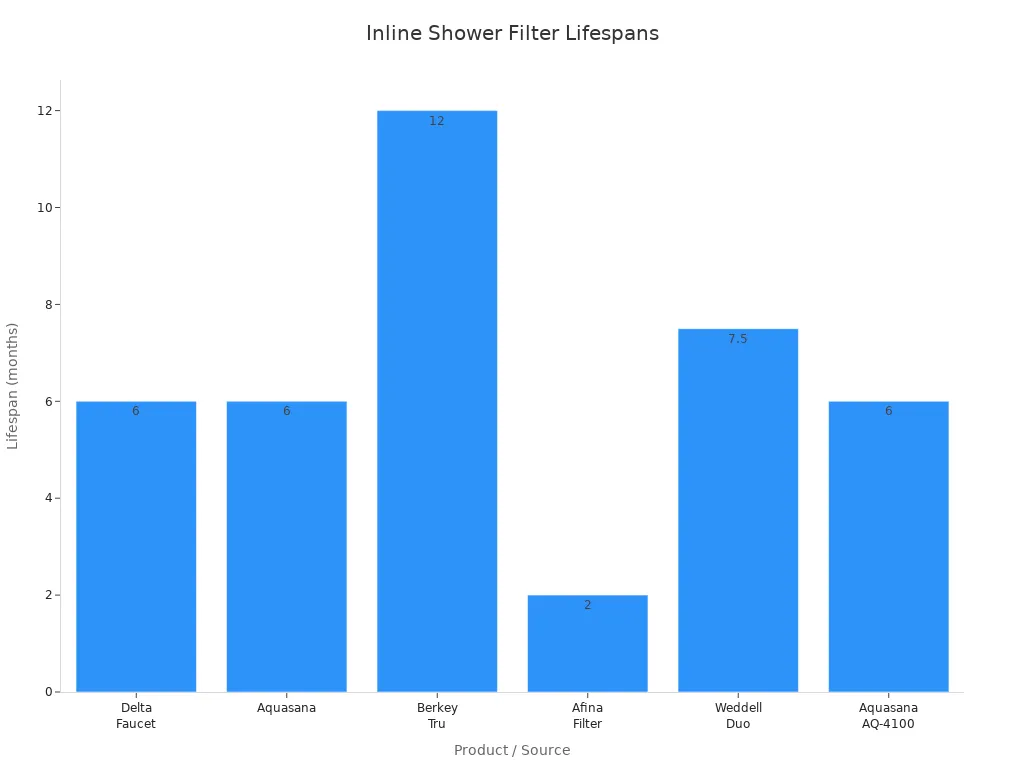
Most inline shower filters focus on taking out chlorine, which helps people with sensitive skin and hair. They also help with bad smells and make water feel better. You need to change the filter every 6 to 12 months, depending on your water and how much you use it.
Note: Inline filters are simple to put in and fit most showers. They are an easy way to get cleaner water and protect your skin from too much chlorine.
Vitamin C Filters
Vitamin C filters use ascorbic acid or sodium ascorbate to get rid of chlorine in your shower water. When water goes through the filter, vitamin C reacts with chlorine and removes it fast. This is not like regular filters and works very well for chlorine.
Vitamin C filters are gentle for people with sensitive skin and help stop dryness and itching. They are good for people who want a natural way to take out chlorine. But, vitamin C filters do not take out most other bad things, and they do not work as well for chloramine unless water stays in the filter longer, which does not happen in showers.
Sediment Filters
Sediment filters take out things you can see like sand, silt, rust, and dirt from your shower water. These filters usually catch pieces that are 5 microns or bigger. Sediment filters are often the first step in a whole-house system or used before other shower filters.
Sediment filters keep your pipes and other filters from getting blocked.
They do not take out chemicals, germs, or viruses.
You need to change sediment filters every 6 to 12 months to keep them working.
If you see rust or sand in your water, a sediment filter is a good pick. It keeps your shower water clear and helps your other filters last longer.
Water Conditioners
Water conditioners are not the same as water softeners. They do not take out hard-water minerals but change how these minerals act. Conditioners use things like special crystals or magnets to stop scale from building up. Your water still feels hard, but you get less scale on your shower walls and faucets.
Aspect |
Water Softeners |
|
|---|---|---|
Mechanism |
Take out hardness minerals (calcium, magnesium) by swapping them with sodium. |
Change how hardness minerals act (like using crystals) but do not take them out. |
Effect on Water Hardness |
Makes water soft, feels smoother, less soap scum, better for skin and hair. |
Water stays hard but less scale forms; does not make water soft or add sodium. |
Maintenance |
Needs salt refills and cleaning; takes some work. |
Easy to care for; no salt or cleaning needed. |
Health Considerations |
Adds sodium to water, which may not be good for some people. |
Does not add sodium; better for people who avoid salt or chemicals. |
Environmental Impact |
Makes salty waste water, which can hurt local water. |
No salt or waste water; better for the environment. |
Scale Prevention |
Stops scale from building up in pipes and machines. |
Lowers scale by changing minerals but not as good as softeners. |
Shower Water Benefits |
Softer water helps skin and hair, less soap scum. |
Stops scale but water still feels hard; does not help with softness or soap scum. |
Water conditioners are easy to care for and good for the planet. They are a smart pick if you want less scale but do not mind hard water. If you have sensitive skin, you might still want a filtered shower head for more help.
Portable and Handheld Devices
Portable and handheld shower filters are easy to put in and move. These devices often have a shower wand with a filter inside. They use things like coconut shell carbon and KDF to take out chlorine, heavy metals, and other bad stuff. Many are certified to NSF Standard 177 and can clean up to 10,000 gallons before you need a new one.
Portable filters take out over 90% of chlorine and make water better for your skin and hair.
They help people with sensitive skin, making showers feel softer and less itchy.
You can put them in and change them without tools, so they are great for renters or people who travel.
If you want a fast way to get cleaner shower water, a portable or handheld device is a smart and easy choice.
How Well Do Filtered Shower Heads Work?
What Filtered Shower Heads Take Out
Filtered shower heads do more than just clean water. They help take out things that can hurt your skin and hair. Most use layers like KDF-55, calcium sulfite, and activated carbon. These layers work together to catch chlorine, heavy metals, and some bacteria. Your water may smell better and feel softer after using one.
Here is what filtered shower heads can take out:
Contaminant Type |
Commonly Removed Contaminants |
|---|---|
Chlorine |
Active, passive, and leftover chlorine (removal rates from 72% to over 99%) |
Microorganisms |
Bacteria, fungi, algae |
Heavy Metals |
Lead, mercury, nickel, arsenic, cadmium, chromium, selenium, copper |
Sediment and Particulates |
Rust, sand, scale, microparticles |
Chemical Contaminants |
Pesticides, pharmaceuticals, phenols, trihalomethanes, hydrogen sulfide, fluoride |
Hard Water Minerals |
Calcium carbonate, magnesium (some reduction, but not full removal) |
Some filtered shower heads can take out up to 99% of chlorine. This helps stop dry skin and itching. They also lower heavy metals and bad smells. Some filters make the water feel a little softer too.
Tip: If your skin is sensitive or you worry about chlorine, a filtered shower head can really help.
Cobbe DS Filter Shower Head Summary
The Cobbe DS Filter Shower Head is a great pick for cleaner water. It uses many filter layers to catch lots of bad things. The first layer grabs big stuff like rust and dirt. KDF-55 takes out chlorine and heavy metals like lead and mercury. Calcium sulfite works fast to remove chlorine, even in hot water. Activated carbon helps with smells and organic chemicals. Mineral balls make the water feel softer on your skin and hair.
Here is how the Cobbe DS Filter Shower Head works:
Filtration Stage |
Targeted Contaminants / Function |
|---|---|
KDF-55 |
Chlorine, heavy metals, some microbes |
Calcium Sulfite |
Chlorine (even at high temperatures) |
Activated Carbon |
Organic chemicals, odors |
Mineral Balls |
Softens water feel for better skin and hair |
This shower head removes over 99% of chlorine and protects you from heavy metals. It keeps water pressure strong and has different spray settings. It gives better filtration and a nicer shower than many other filter heads.
Filtered shower heads do not take out all hard water minerals. You might still see some white scale. The filter is smaller than whole-house systems, so it cannot clean as much water at once. But for most people, a filtered shower head is an easy way to get safer water and protect your skin every day.
Comparing Water Filter Shower Head Alternatives
Effectiveness
If you want cleaner shower water, you have many choices. Filtered shower heads are good at taking out chlorine, heavy metals, and some bacteria. They use layers like KDF-55, activated carbon, and calcium sulfite to clean water. These filters help your skin and hair feel softer by removing most chlorine and other bad things. Whole-house systems can take out even more, like hard-water minerals, but they cost more and need a pro to install. Inline filters and vitamin C filters also work on chlorine, but might miss other bad stuff. If you only care about chlorine and want something easy, filtered shower heads are a smart pick.
Cost and Installation
You probably want something cheap and simple to put in. Filtered shower heads are great for this. You can put one in yourself in just a few minutes. You do not need any special tools or plumbing skills. Most cost about $200, so they are good for families and renters. Whole-house systems can cost thousands and need a plumber to install. Here is a quick chart with average costs:
Water Filtration System Type |
Average Installation Cost Range |
|---|---|
Filtered Shower Head |
$50 – $200 |
Inline Shower Filter |
$30 – $100 |
Whole-House System (RO/Carbon) |
$800 – $4,800 |
Water Softener |
$200 – $6,000 |
Vitamin C Filter |
$30 – $100 |
Tip: If you want something cheap and easy to install, a filter shower head is a great choice.
Maintenance and Practicality
It is important to keep your filter working well. Filtered shower heads need a new cartridge every 3 to 12 months. How often you change it depends on your water and how much you use it. You just twist off the old one and put in a new filter. Whole-house systems need more care and cost more to fix. Portable and inline filters also need new filters, but changing them is easy. Here is a chart that shows how often you need to change filters:
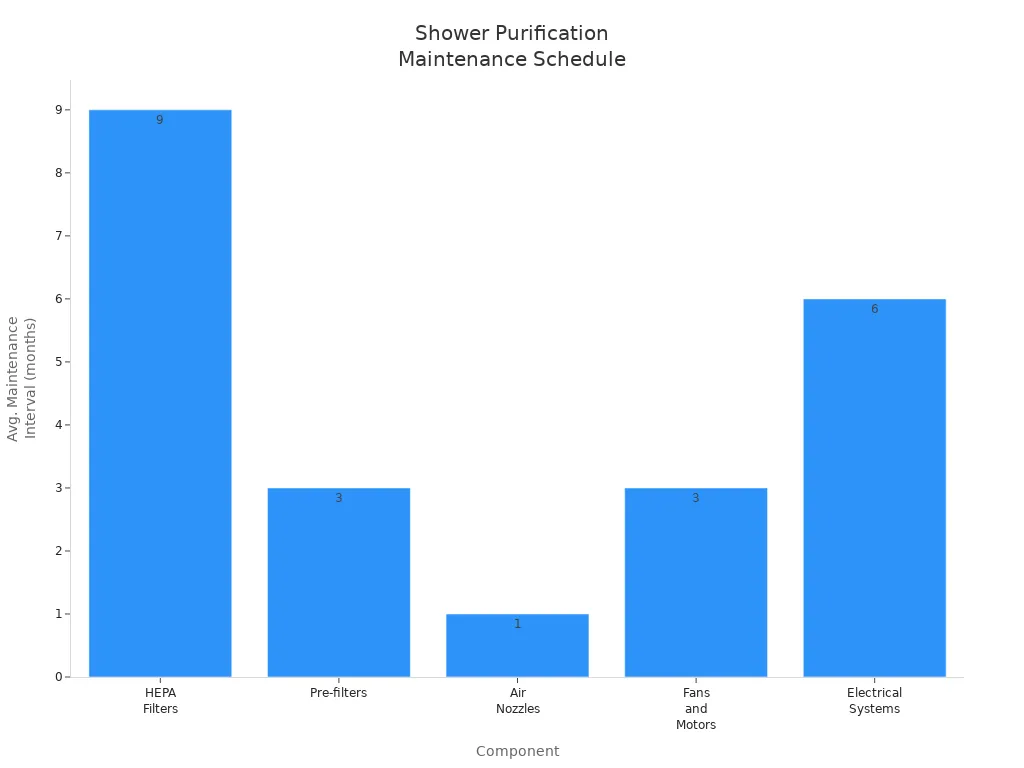
Most people like filtered shower heads because they are easy to clean, quick to change, and keep water flowing strong. You get a lot for your money, especially if you want better shower water without spending too much. If you want something that works well, does not cost a lot, and is easy to care for, filtered shower heads are usually the best choice.
Choosing the Best Solution
Factors to Consider
It can be hard to pick the right shower filter. You want one that fits your home, your money, and your skin. First, look at your local water report. This report tells you if your water has chlorine, heavy metals, or bacteria. If there is a lot of chlorine or chemicals, you need a filter for those. If your water is hard, get a filter that helps with minerals.
Here are some things to think about:
Check your water report for chlorine, heavy metals, and bacteria.
Look at pH, total dissolved solids, and hardness before picking a filter.
Make sure the filter fits your shower and keeps water pressure strong.
Think about how often you want to change the filter and the price.
Pick a filter that matches your needs, like KDF-55 for chlorine or activated carbon for smells.
If you have sensitive skin or allergies, choose a filter that helps with those.
Test your water sometimes to see if you need a new or different filter.
Look for NSF certification to make sure the filter works well.
Think about how much water you use and if you want to filter just the shower or the whole house.
Make sure the filter is easy to put in and works with your water flow.
Tip: Always pick a filter that fixes your water’s main problems. This gives you the best water for your skin and showers.
When to Use a Filtered Shower Head
A filtered shower head is best if you want to take out chlorine and chemicals. If you have sensitive skin or allergies, this filter can help your skin and hair. Experts say filtered shower heads are good for people who want less chlorine, heavy metals, and chemicals that cause dry skin or scalp problems.
Scenario / Concern |
Recommended for Filtered Shower Head |
Why It Works |
|---|---|---|
Chlorine or chemical irritants |
✔️ |
Takes out chlorine, heavy metals, and chemicals that can make skin dry or itchy. |
Sensitive skin or allergies |
✔️ |
Makes water better for sensitive skin, keeps hair color safe, and helps your scalp. |
Hard water minerals (calcium, magnesium) |
✖️ |
Does not take out hard minerals; use a softener filter for that. |
Limescale buildup |
✖️ |
Not for limescale; softener filters work better. |
Reducing skin or respiratory irritation |
✔️ |
Lowers chlorine and chemicals that can bother your skin or breathing. |
If you worry about chlorine or chemicals, a filtered shower head is a good pick. You get cleaner water right in your shower. This helps keep your skin healthy and stops dryness or itching. People with sensitive skin or allergies often feel much better after using a filtered shower head. It is also easy to put in and change the filter. For most families, this is the easiest way to get filtered water and protect your skin every day.
There are many ways to make your shower water cleaner. Each filter type helps with different water issues. Some, like whole-house systems or vitamin C filters, fix certain problems. Look at this table to see what each one does well and what it cannot do:
Method |
Strengths |
Limitations |
|---|---|---|
Filtered Shower Head |
Simple to put in, takes out chlorine |
Needs new filters often |
Inline Filter |
Works with most showers, good for chlorine |
Only cleans shower water |
Whole-House System |
Cleans all water in your house |
Costs more, needs a pro to install |
Choose a filter that fits your water problems.
Change your filter often so it works well.
If you have hard water, use a softener, not just a filtered shower head.
Want your skin and hair to feel softer? Try a filtered shower head for easy, clean water every day.
FAQ
What is the easiest way to get cleaner shower water?
You can use a filtered shower head. It installs in minutes and starts working right away. You do not need tools or special skills. Just twist it on and enjoy better water.
Do I need to change my shower filter often?
Yes, you should change your shower filter every 3 to 12 months. The timing depends on your water quality and how much you use it. Check the instructions for your filter.
Can a shower filter help with dry skin or hair?
Absolutely! A good shower filter removes chlorine and heavy metals. Your skin feels less dry, and your hair feels softer and shinier after a few showers.
Will a filtered shower head lower my water pressure?
Most high-quality filtered shower heads keep strong water pressure. Some even boost it! You get clean water and a powerful shower at the same time.